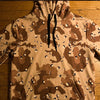




Super cute swimsuit. Fit's great.



Ludwig von Mises is one of those historical figures who keeps showing up if you spend enough time thinking seriously about liberty, economics, socialism, government power, or why central planners have such an impressive talent for ruining things.
He was born in 1881 in what was then Austria-Hungary and became one of the most important economists of the 20th century. Mises studied and taught in Vienna, where he became a major figure in what is now called the Austrian School of economics. That school put the individual at the center of economic life. Not the state. Not the committee. Not some bureaucrat with a clipboard and a five-year plan. Individual people making choices, acting on what they value, trading, building, failing, learning, and trying again.
There he was a key member of the Chamber of Commerce where the Austrian Institute of Business Cycle Research was located, and where the sessions of Mises’ private seminar took place.

That may sound obvious now, but in Mises’s time it was anything but. The intellectual fashion of the early 20th century was socialism, central planning, and the idea that the right experts could manage society from the top down. Mises saw the danger clearly and said so when it was neither fashionable nor safe. In his 1922 book Socialism, he argued that a socialist economy could not rationally calculate prices without private property and free markets. Without real prices, planners are essentially flying blind while insisting they have invented aviation. This is accepted as obvious now. Then, however, it was nearly apostasy in many European circles.
That argument made him one of the most important critics of socialism in modern history because he addressed and answered every problem with every school of socialism of the time diagnostically.
Mises was also a serious defender of classical liberalism, the older and better meaning of the word liberalism: individual liberty, private property, free exchange, limited government, peace, and civil society. He believed economics was not some sterile math exercise detached from human life. It was the study of human action. People choose. People value things differently. People respond to incentives. Any political system that ignores that reality eventually runs face-first into the brick wall of human nature.
As Europe grew darker in the 1930s, Mises’s position became increasingly dangerous. He was Jewish, anti-socialist, anti-totalitarian, and publicly opposed to the kinds of collectivist ideologies spreading across the continent. He left Austria for Switzerland in 1934 and continued teaching and writing in Geneva. After the Nazis expanded their reach into Austria and then across Europe, Mises eventually fled to the United States in 1940.
He arrived in New York as a refugee, with much of his old world behind him. But he kept working. He taught at New York University for many years and continued developing the ideas that would influence generations of economists, libertarians, classical liberals, entrepreneurs, writers, and political thinkers.
His most famous later work, Human Action, laid out his broader view of economics through the lens of praxeology, the study of purposeful human action. That sounds more intimidating than it is. At the heart of it, Mises was saying that economics begins with real people making real choices. You cannot understand a society by treating human beings like chess pieces or spreadsheet cells. People act. They value. They choose. They adapt. They refuse to behave like obedient little inputs in some planner’s model.
That is why Mises still matters.
He was not merely arguing about interest rates, money, or price theory, though he wrote plenty about all of that. He was arguing about civilization. He understood that economic freedom and personal freedom are tied together. You cannot put the state in charge of production, property, prices, labor, and exchange while pretending the individual will remain free in any meaningful sense.
Mises had critics, of course. Any serious thinker does. Some people thought he was too uncompromising. Others believed his arguments against socialism and intervention were too rigid. But even many of his critics had to wrestle with the force of his central point: when government replaces voluntary exchange with coercive planning, it does not create a more rational society. It creates a more powerful ruling class with worse information.
That is a pretty big problem. Especially if you happen to enjoy food, money, peace, or not being managed by a man named Deputy Assistant Minister of Allocation.
For people who care about liberty, Mises remains one of the great intellectual giants. He helped explain why free people and free markets are not accidents of history, but the foundation of a prosperous and humane society. His work influenced the modern libertarian movement, shaped the Austrian School of economics, and gave generations of liberty-minded people a serious framework for defending freedom against the endless parade of experts promising to fix the world by controlling it.
Mises spent his life warning people that civilization is fragile, freedom is precious, and bad ideas do not become harmless just because they come dressed in academic language.
He was right about a lot. Annoyingly right, some might say.
Super cute swimsuit. Fit's great.
Nice shirt. I like that you use Comfort Colors for a lot of your shirts. All of the shirts we got are nice. Stickers are on their way.

It's a t-shirt. Better than most I guess. B+. The parody is an A. Add more heavyweight tees, please.

It's a hawaiian shirt with toucans and 45s on it, so that's pretty phenomenal. A little larger fit than I anticipated.

Pretty dope. What I expected.

Good stickers. Sweet magnets. I'd buy again.

Finally, a brand that’s got some guts! I ordered a shirt just for laughs, but now I’m back getting them as gifts for the whole family. No cheap prints or lame designs—this is the real deal.

My husband loved it. One shirt had to be exchanged, but it was easy. Will buy again.

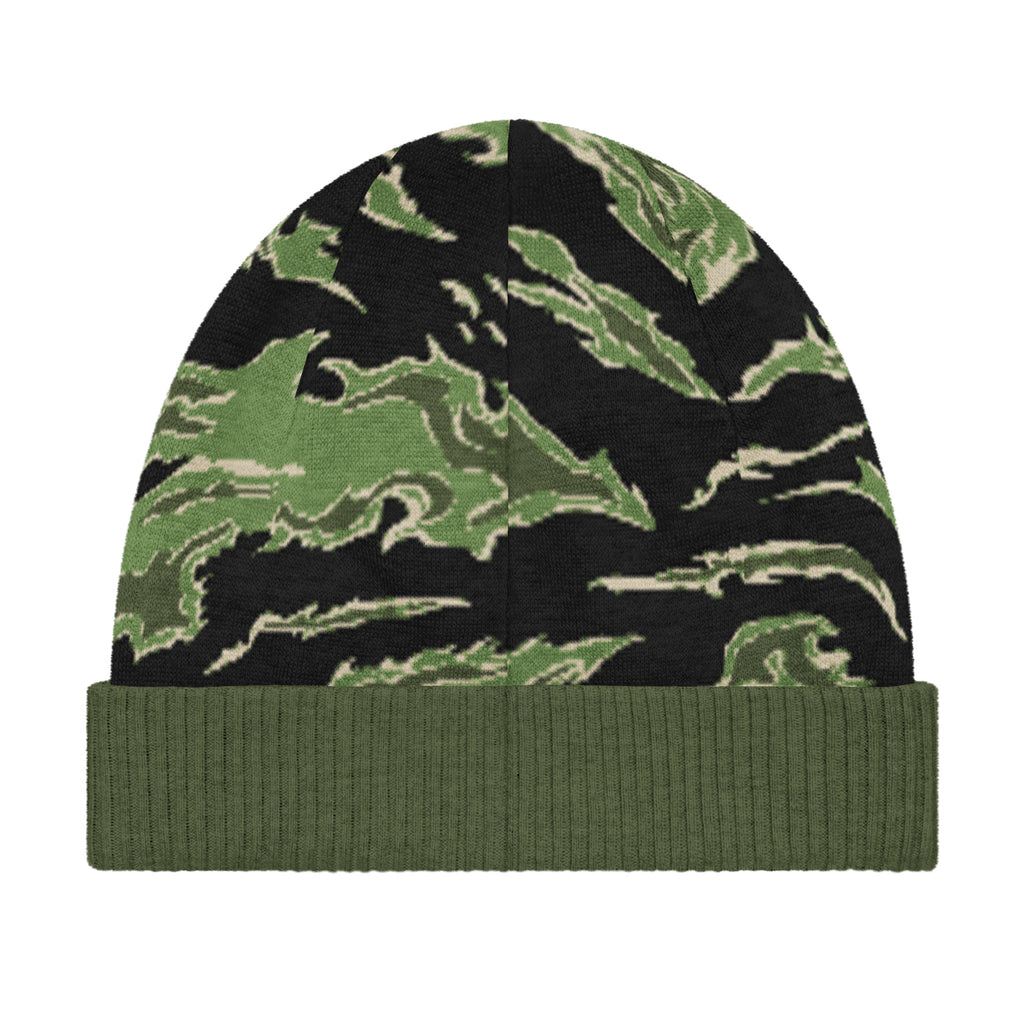
Tiger stripes! Another cool manics shirt. Thanks guys!

Savage designs. I occasionally wear my shirts to work under another shirt and smile. They finally have really nice heavy tees that don't feel stiff. I didn't like their old zip hoodies because they were too lightweight and made by American Apparel, but now they have heavier ones that hold up.

Great quality. Most ‘patriotic’ gear is all flash, no quality, but not Liberty Maniacs. They’re clever, sharp, and have a sense of humor without being tacky. Proud to wear this stuff.

Super soft and insanely comfortable! I love my shirt, and my husband loves his hoodie… or should I say my new hoodie since I keep ‘borrowing’ it while he’s at work. It's definitely our favorite brand now.

I wear this to commemorate my fallen comrades at Malevelon Creek. I wear it while enjoying a nice cup of Liber-tea!
For Super Earth. For Managed Democracy!

Nice quality, soft cozy material.
Will definitely buy more. Shipping came on time. The sizing was good, and I got a ton of compliments on it.

This shirt? Chef’s kiss. Rocked it around town, and let’s just say it got some looks—can’t argue with launching a few politicians via catapult. Soft as hell material. 10/10

Great fit and quality as always!

I've learned to be more discriminating about the companies I buy from. I've been happy with both orders. Keep up the good work.

The hoodie was nicer than I imagined. Came on time.